Are you unsure how to floss with braces in Leominster and Gardner, MA? You’re not alone! Braces add some extra steps to your oral hygiene routine, but it doesn’t have to be complicated. With the right flossing tools and techniques, keeping your teeth clean can be simple. Regular flossing is key to keeping your smile healthy during braces treatment.
Find out below how to make flossing with braces part of your easy daily routine for a brighter smile.
Why Flossing with Braces Is Important
Braces are designed to straighten your teeth, but they also make cleaning harder. Brackets and wires create small crevices where food particles and plaque can easily get trapped. Without proper cleaning, this buildup can turn into tartar, leading to tooth decay, gum irritation, and even gum disease.
Flossing helps remove the debris and plaque that brushing alone misses. A consistent flossing routine keeps your teeth and gums healthy, ensuring your braces work effectively.
Best Tools to Simplify Flossing with Braces
Using the right tools makes flossing much easier. Here are some that orthodontists recommend for braces care:
Floss Threaders
Floss threaders are small, needle-like gadgets that help guide floss under the archwire of your braces. These tools allow you to clean between your teeth without damaging your brackets or wires. Many orthodontists, like the team at Smile Orthodontics, recommend floss threaders as a first step in establishing a flossing habit.
Water Flossers or Oral Irrigators
A water flosser sprays a thin stream of water to clean around brackets, wires, and other hard-to-reach areas. Water flossing is ideal for people with sensitive gums, limited dexterity, or trouble using traditional dental floss. According to Dr. Adam Reynolds, a well-liked orthodontist in Huntsville, AL, a gentle stream of water can reach tricky spots that are hard to clean with floss alone.
Superfloss
Superfloss comes pre-cut with stiff ends to help you easily guide the floss under your braces. It also includes soft, spongy sections for cleaning along your gumline and around sensitive areas. This tool works well for plaque removal near braces.
Interdental Brushes (Proxabrushes)
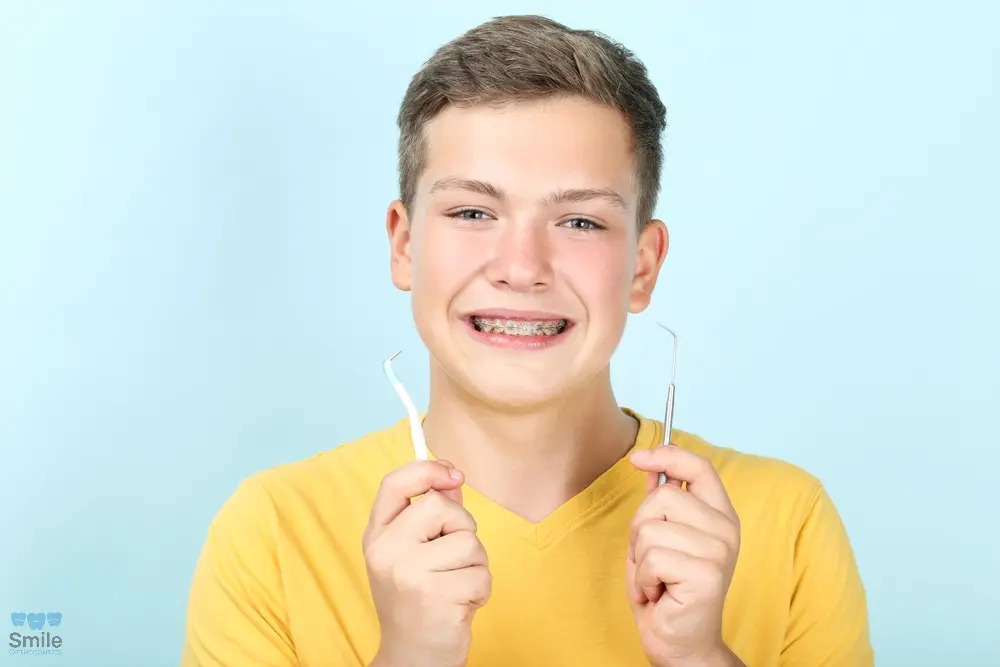
An interdental brush, or proxabrush, is a tiny toothbrush designed to clean between teeth and brackets. It’s small enough to slide into tight spaces that are difficult to access with traditional floss and helps remove trapped food particles.
Floss Picks
Floss picks are tools with a handle and a piece of pre-threaded floss. These are great for convenience and short cleaning sessions. People who find traditional floss tricky often prefer using floss picks to clean their teeth and braces.
Where to Find Flossing Tools
Many of these flossing tools, like water flossers, threaders, and proxabrushes, are available at pharmacies, drugstores, or online retailers. Additionally, Smile Orthodontics in Leominster and Gardner, MA, often provides patients with starter kits that include floss threaders, proxabrushes, or water flossers to help establish a healthy oral hygiene routine.
How to Floss with Braces: Step-by-Step Guide
Here’s how to floss effectively with braces:
Step 1: Prepare the Floss
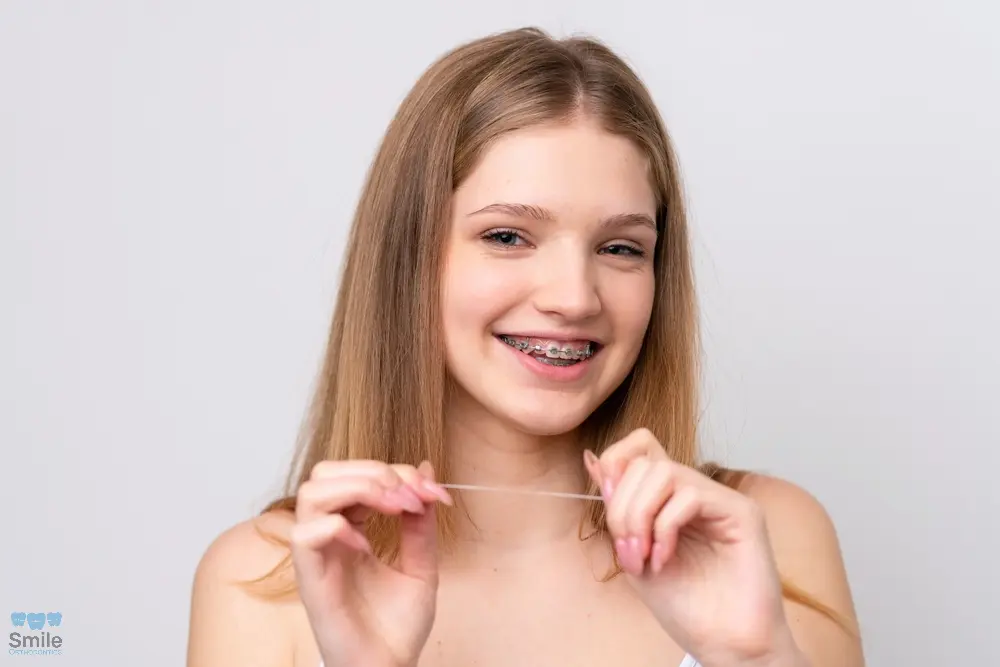
Cut 18 inches of floss and thread it under the wire using a floss threader. This will help you guide the floss without pushing or pulling on your brackets.
Step 2: Floss Each Tooth
Wrap the floss around a tooth in a gentle “C” shape. Move it up and down along both sides of the tooth and just below the gumline. Avoid sawing motions as they can damage your gums or irritate soft tissue.
Step 3: Clean Tight Areas
If certain spots are hard to reach, use a water flosser or an interdental brush. Aim the water flosser at back teeth, between brackets, and along the wires to ensure debris is removed from small crevices.
Step 4: Brush Thoroughly
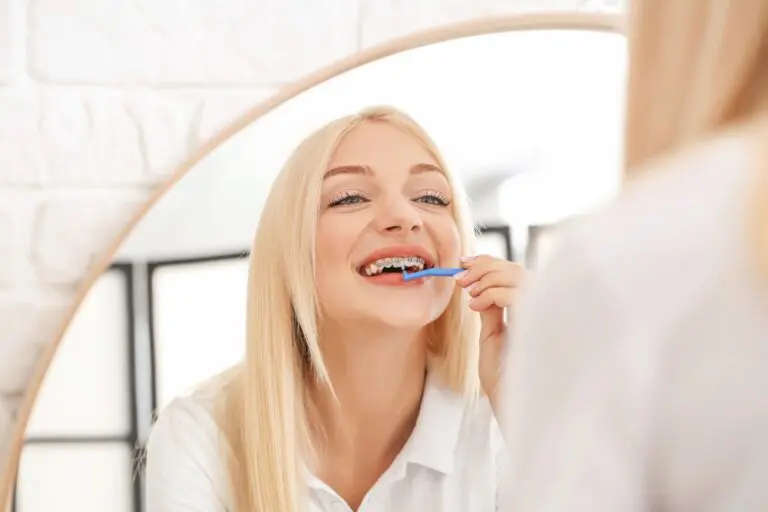
After flossing, clean your teeth with a soft-bristle toothbrush using proper brushing techniques. Fluoride toothpaste will strengthen your enamel and help protect against tooth decay. For added protection, rinse with fluoride mouthwash to reduce plaque buildup.
Flossing Techniques for Different Types of Braces
The type of braces you have might change how you approach flossing:
- Metal Braces: Use more time threading floss under the archwires.
- Clear Braces: Be extra gentle near the brackets to avoid accidental damage.
- Lingual Braces: These are placed behind the teeth, so water flossers or proxabrushes can help you reach out-of-sight areas.
- Self-Ligating Braces: Though these have fewer parts, you still need to thoroughly clean around brackets and wires.
Overcoming Common Flossing Challenges
Flossing with braces can be tricky, but practice makes it easier. Here are solutions to common flossing challenges:
Sensitive Gums or Bleeding
Flossing can irritate gums if you’re not used to it. Rinse with warm saltwater after flossing to ease irritation. With regular flossing, your gums will strengthen, and sensitivity will reduce over time. As Dr. Tate Chauncey, a professional orthodontist in Henderson, NV, emphasizes, using tools like soft floss or a water flosser can help ease sensitivity while keeping your gums healthy.
Hard-to-Reach Spots
Tight spaces can feel impossible to clean with traditional floss. Use a water flosser or interdental toothbrush to clean stubborn areas around the back teeth or under brackets.
Difficulty with String Floss
If string floss feels too inconvenient, switch to easier alternatives like floss picks or a water flosser. These tools speed up your flossing routine and make it less tedious.
Oral Hygiene After Braces
When your braces come off, keeping up with strong oral care habits is vital to maintain a bright and healthy smile. Remember:
- Clean Your Retainer: Rinse and brush your retainer daily to prevent plaque and bacteria. This ensures it stays clean and odor-free.
- Daily Flossing Routine: Keep flossing every day to avoid plaque buildup and protect your gums.
- Smart Brushing Techniques: Brush twice daily with fluoride toothpaste for at least two minutes to remove bacteria and maintain optimal dental health.
Why Smile Orthodontics Stresses Proper Flossing
At Smile Orthodontics, we emphasize the importance of maintaining great oral hygiene habits during your treatment. Here’s what we offer to make your braces care routine easier:
- Flossing Tips: We teach you how to floss effectively, no matter what type of braces you have.
- Starter Kits: Get a set of essential tools to help simplify your daily hygiene.
- Care Advice: Our team provides guidance to avoid common problems like gum irritation, plaque buildup, and tooth decay during treatment.
Take the Stress Out of Flossing Now
Flossing with braces doesn’t have to be stressful. With the right tools and guidance from Smile Orthodontics in Leominster and Gardner, MA, you’ll find it much easier to keep your smile healthy and your braces clean. Schedule a visit with our team to receive personalized advice and helpful tools for cleaner teeth.
About The Authors
Dr. Granit Morina – Orthodontist in Leominster and Gardner, MA
Dr. Tate Chauncey – Orthodontist in Henderson, NV
Frequently Asked Questions
Is it OK to not floss with braces?
It might seem easier to skip flossing when you have braces, but it’s really not a good idea. Braces create small spaces where food and plaque can easily get stuck. If you don’t floss, you could end up with cavities, gum problems, or stains once the braces come off. It might feel tricky at first, but tools like floss threaders, interdental brushes, or water flossers can make it much easier.
Can dentists actually tell if you floss?
Yes, dentists can tell if you’ve been flossing or not. Healthy gums look pink and don’t bleed much, while gums that haven’t been flossed often look red, swollen, and may bleed during cleanings. They might also spot plaque or bits of food stuck between your teeth. But don’t stress, dentists aren’t judging you! They just want to help you keep your mouth healthy. So, make flossing a daily habit and surprise them with great gums at your next visit.
Do you floss or brush first?
Many people like to floss first to remove food and plaque before brushing, while others prefer brushing first and then flossing to finish the job. Studies show both ways are effective as long as you do both every day. The key is consistency.